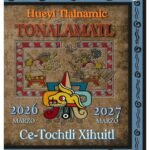
Imagine this: it’s early 2027, and a buzz starts creeping through social media and local cafés alike. Folks are whispering about the Mayan calendar ending in 2027. Not 2012, the infamous date that made doomsday headlines, but 2027. So why this date? What’s different this time around? Buckle up, because the story behind this is a wild ride of history, math, and culture that you probably haven’t heard from your average news feed.
Decoding the Mayan Calendar: It’s Not Just About Doomsday
The Mayan calendar system is notoriously complex. Unlike our simple Gregorian calendar, the Maya used several calendars simultaneously that tracked days, months, and even longer cycles. The most famous is the Long Count, which measures extensive periods of time. It’s akin to how we might say “millennium” or “decade,” but on a scale that boggles the mind.
What Actually Ends in 2027?
Unlike the buzz around December 21, 2012, which marked the end of the 13th baktun (a 144,000-day unit in the Long Count), the year 2027 marks the end of the current k’atun, a 7,200-day cycle.
- This cycle resets approximately every 20 years and serves as a cultural beacon for ceremonies and reflections.
- For instance, many Mayan communities observe k’atun-end ceremonies with rituals and storytelling, emphasizing renewal rather than apocalypse.
- According to The Four Pillars, this date is significant within Maya tradition but not a harbinger of doom.

Source: www.youtube.com
Why 2027, Not 2012? Clearing the Confusion
2012 was the media’s chosen doomsday date, whipped into a frenzy partly by Hollywood and sensationalism. Yet, experts from the American Association for the Advancement of Science debunked the apocalypse hype long ago. So, what about 2027?

Source: www.mexicolore.co.uk
- Think of the Mayan calendar like a massive vintage clock: 2012 was the end of one major gear turning, and 2027 is the end of a smaller gear completing its cycle.
- It’s a cultural reset button, not the end of the world.
- Unlike 2012, this date is less widely known, resulting in less hysteria and more cultural significance for Mayan descendants.
Source: www.zazzle.com
Key Dates Leading Up to 2027
| Date | Event | Significance |
|---|---|---|
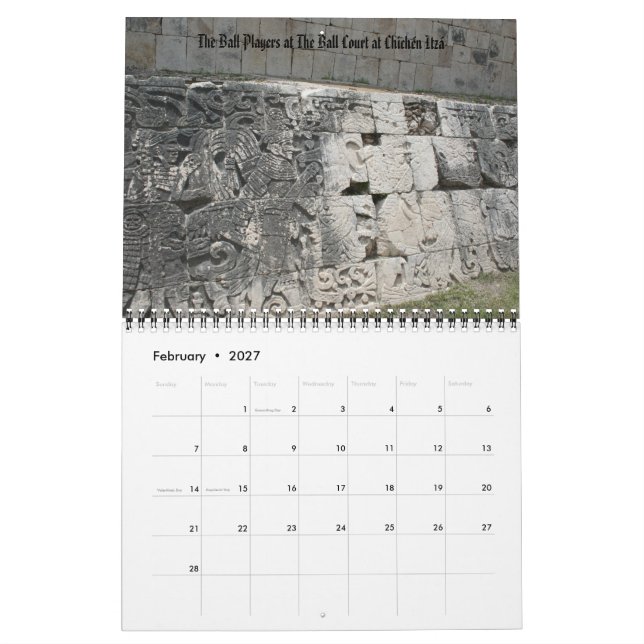
| December 21, 2012 | End of 13th Baktun | Major Long Count cycle; misinterpreted as apocalypse |
| December 1, 2027 | End of current K’atun | Renewal and ceremonial importance among Maya communities |
Holidays, Festivals, and Events Linked to the Mayan Calendar in 2027
- United States: While the Mayan calendar isn’t officially celebrated, various cultural festivals honoring indigenous traditions happen year-round, such as Indigenous Peoples’ Day events in October that highlight Central American heritage.
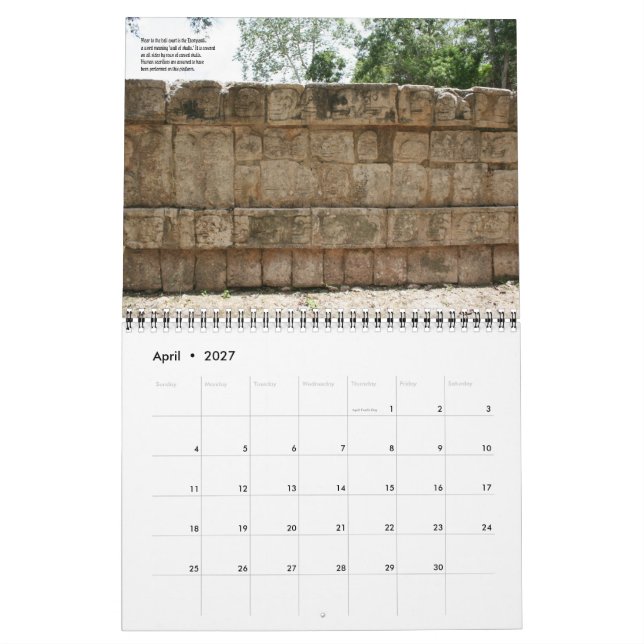
- Mexico and Guatemala: These countries celebrate k’atun-end ceremonies, which involve traditional dances, rituals, and community gatherings, particularly in regions with strong Maya heritage like Chiapas and El Petén.
- Internationally: Museums and cultural centers host workshops and exhibitions in 2027 to educate the public about the Mayan calendar’s significance beyond end-of-world theories.
Source: www.zazzle.com
Wider Implications and Why It Matters
The Mayan calendar ending in 2027 offers a unique lens to see indigenous knowledge systems valued through an appreciating global culture. Instead of fearmongering, this should be a moment to honor an ancient people’s understanding of time — sophisticated and poetic.
And if you want to understand why myths about the calendar keep cropping up, check out The Atlantic’s thorough exploration of apocalypse predictions. It lays bare the human craving for drama more than anything inherently Mayan.
Frequently Asked Questions
What is the significance of the Mayan calendar ending in 2027?
The 2027 date marks the end of a smaller k’atun cycle in the Long Count calendar. It’s culturally important for ceremonies and reflection but isn’t linked to any apocalyptic events.
How does the Mayan calendar differ from the Gregorian calendar?
The Mayan system uses multiple overlapping calendars, including the Haab and Tzolk’in, alongside the Long Count which tracks longer timespans. It’s a complex mix of cycles rather than a single linear count like our Gregorian calendar.
Why did the 2012 Mayan calendar end cause so much fear?
Media hype and popular culture often distorted the 13th baktun’s end as a doomsday. Experts have clarified that it was just a resetting of cycles, similar to how we celebrate a new year.
Are there official Mayan calendar sources or institutions?
Yes, institutions like The Four Pillars provide authentic information on Mayan calendars, and academic organizations thoroughly study these systems.
How can I observe or respect the Mayan calendar in 2027?
Participate in cultural events, educate yourself through reputable sources, and appreciate the rituals as expressions of heritage rather than doomsday warnings.
Disclaimer: All dates and information are based on the most recently available official sources and are subject to change. Always verify with the official institution website for the most current details.