Ever stumble into a conversation where someone drops “2027 on the Mayan calendar” like it’s a secret code? Yeah, you’re not alone. The fascination with the Maya’s intricate way of marking time isn’t just a flash-in-the-pan trend. People keep wondering what 2027 holds in that ancient accounting of days. Is it a countdown? A cosmic checkpoint? Let’s cut through the myths and wrinkles and see what’s actually going on.
Breaking Down the Mayan Calendar
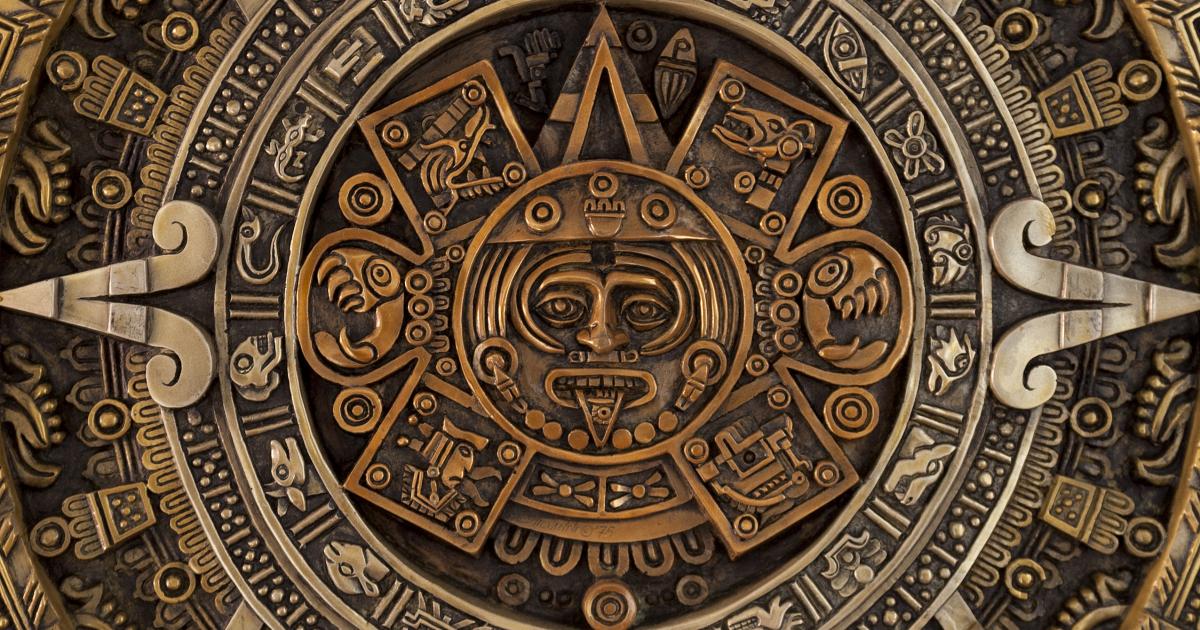
The Maya didn’t just throw together a calendar out of necessity; they designed a giant, precision instrument tracking cycles of time with impeccable detail. Think of it as a cosmic clock that ticks beyond our Gregorian year-end party blows. The calendar system comprises several interlocking cycles. The most famous components are the Tzolk’in, a 260-day ritual cycle, and the Haab’, a solar year of 365 days.
Overlay those, and you get the Calendar Round, which repeats every 52 Haab’ years – about 18,980 days. But, the real jaw-dropper is the Long Count, which tracks time in a linear fashion from a mythic origin point in 3114 BCE. This system lets the Maya pinpoint exact days on a timeline stretching thousands of years.
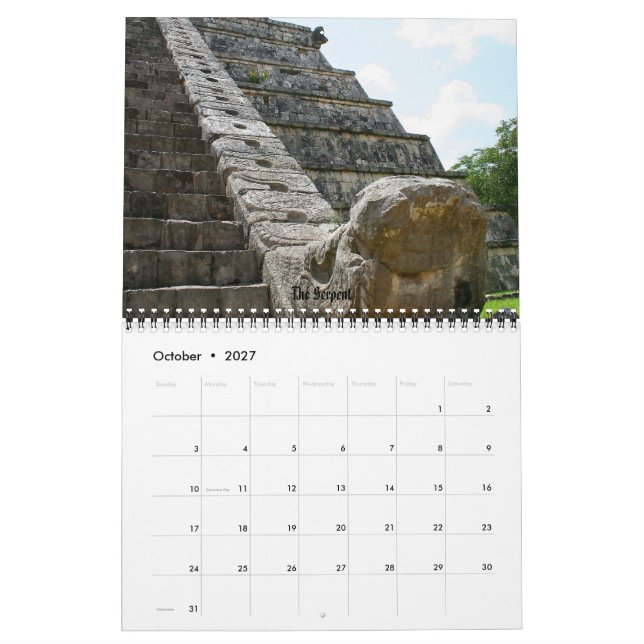
Source: www.zazzle.com
- To grasp any specific year like 2027, understanding the complex Calendar System at the Smithsonian’s Living Maya Time is crucial.
- The Britannica Kids entry breaks down these cycles for younger audiences, helping us all appreciate the precision behind those old carvings.

Source: www.mexicolore.co.uk
What’s Special About 2027 on the Mayan Calendar?
So here’s the kicker: unlike apocalyptic yarns spun around 2012, the Mayan calendar doesn’t predict doom in 2027 — not even close. 2027 marks a progression within the Long Count cycle. It’s a moment, just another notch on the dial, with spiritual and cultural resonance mostly among contemporary Maya communities rather than a foretold apocalypse.
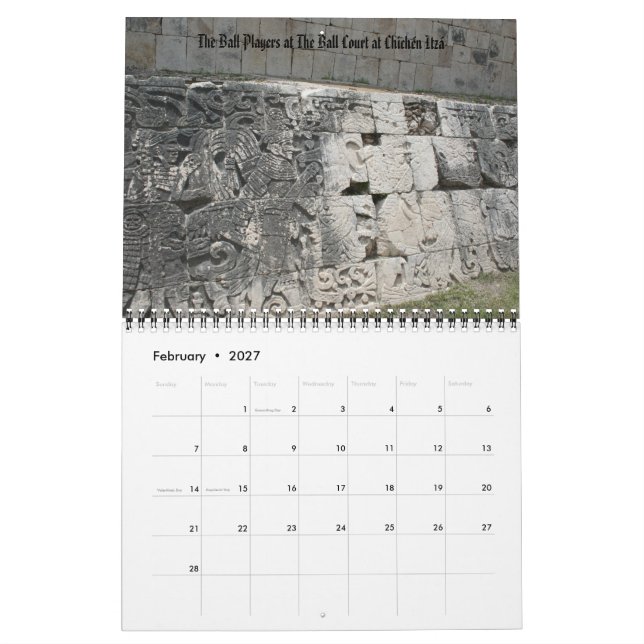
Source: www.zazzle.com
The Maya calendar, as explained by Dr Diane Davies, a trusted Maya archaeologist, helps us see 2027 as part of ongoing cycles, not as some end point. It’s a tapestry of time, rich in meaning but not tied to doomsday. The functional calendar drives festivals, agricultural cycles, and spiritual ceremonies, all continuing as they always have.
Source: www.timeanddate.com
Key Dates in 2027 According to the Maya Calendar
| Date (Gregorian) | Maya Long Count | Significance |
|---|---|---|
| January 1, 2027 | 13.0.15.0.0 | Beginning of ceremonial cycle in Long Count |
| August 13, 2027 | 13.0.19.19.19 | Transition within Tzolk’in cycle affecting ritual timings |
| December 21, 2027 | 13.0.20.7.5 | Maya Winter Solstice Observance |
Holidays, Festivals, and Events in 2027 Influenced by Maya Timekeeping
While much of the American and international calendar slogs along with New Year’s fireworks or Christmas tree lightings, for Maya descendants and many indigenous groups, different marks on the calendar trigger very different celebrations.
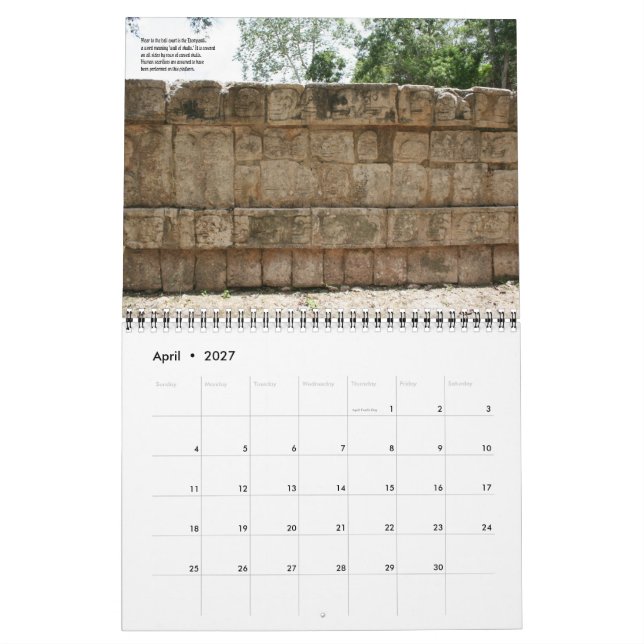
Source: www.zazzle.com
- Winter Solstice (December 21, 2027) – This astronomical event is central for Maya communities. It aligns with certain days on the Long Count and triggers ceremonies to honor the sun’s rebirth. Check the Smithsonian’s calendar for timing specifics.
- Maya New Year – Observed depending on local long count dates, it’s a time for renewal, reflected in rituals and community gatherings especially across southern Mexico and Guatemala.
- United States Recognitions – Indigenous groups in states like California and New Mexico often hold public cultural events marking solstices or equinoxes tied back to Maya astronomy and calendrical cycles.
FAQ About 2027 and the Mayan Calendar
What exactly is the Mayan Long Count calendar?
The Mayan Long Count calendar works like a continuous day counter from a mythical start date in 3114 BCE. It lets scholars and Maya people track historical and future days precisely. More details at the trusted Wikipedia page on the Maya calendar.
Was 2027 predicted as an apocalyptic year?
No credible Mayan sources or authorities suggest any apocalyptic events tied to 2027. The idea that the Maya predicted the end of the world in 2027 comes from modern misinterpretations and sensationalism.
How do modern Maya communities view the calendar?
For contemporary Maya people, the calendar remains a living tradition, guiding agriculture, ceremonies, and community events. It’s a cultural backbone, not just an ancient artifact.
What role does astronomy play in the Mayan calendar?
Astronomy is critical. The Maya linked calendar dates to solar, lunar, and planetary cycles. This allowed them to plan agricultural activities and rituals with astounding accuracy, a fact explored in detail by the article on Maya Calendar and Mesoamerican Astronomy.
In Short: What 2027 Means on the Mayan Calendar
Forget apocalyptic fears or mystical hype. 2027 is just another chapter in a calendar that runs deep into history and still beats happily among Maya communities today. It’s a marker of time, bridging past and future with cultural continuity and astronomical savvy. To truly honor the Maya calendar is to respect it as a tool of a civilization that measured time with uncanny precision and profound spiritual meaning.
For anyone curious about the calendar’s nuts and bolts or intrigued by its cultural power, the resources linked here are the best places to start. They offer reliable, official insights that separate fact from fiction.
Disclaimer: All dates and information are based on the most recently available official sources and are subject to change. Always verify with the official institution website for the most current details.