Navigating Your Year with Calendrier 2026: The Millennial Guide to Planning and Productivity
Source: alamy.com
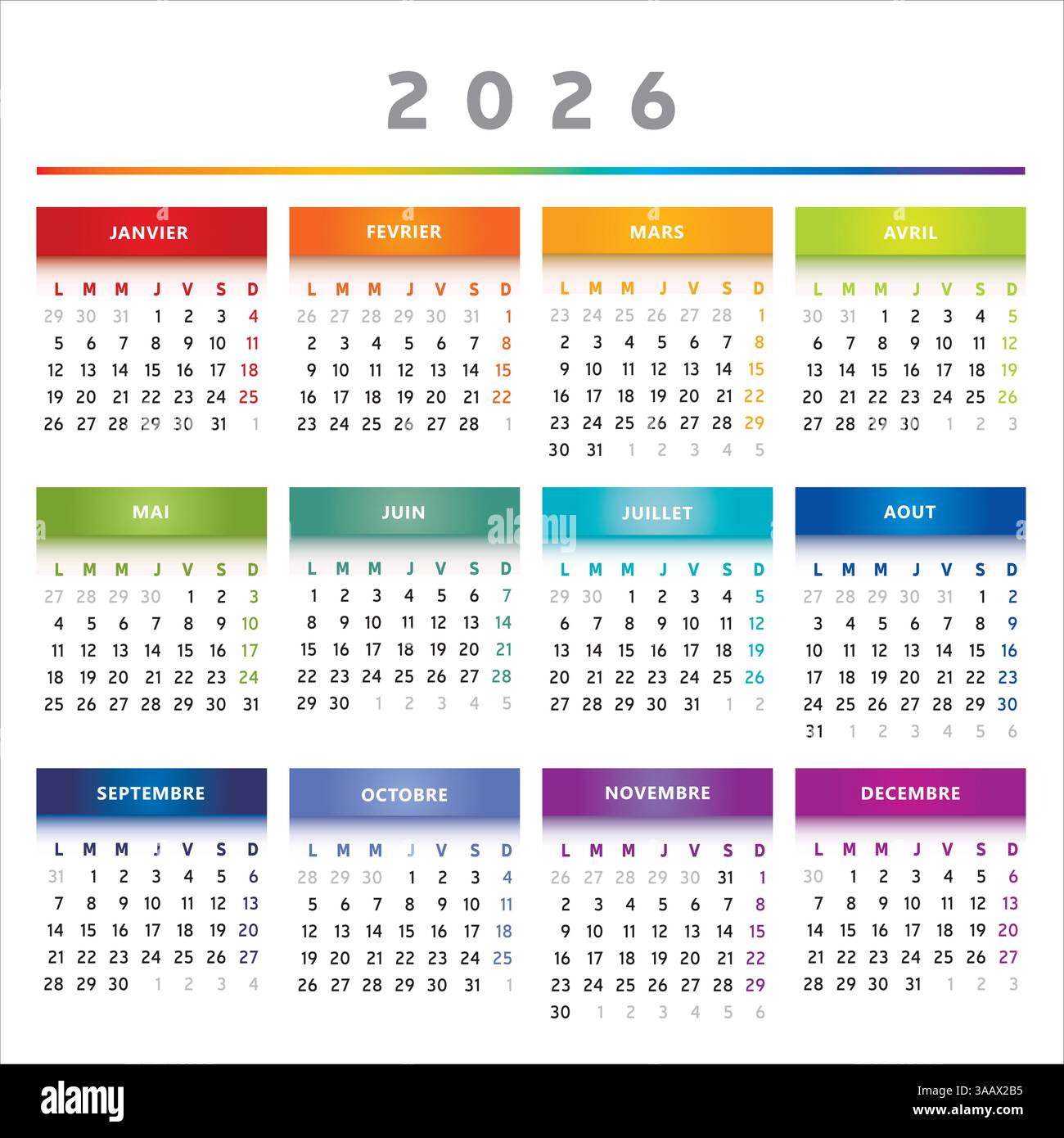
The year 2026 is just around the corner, and if you’re anything like us, you’re already thinking about how to make it your most organized and productive year yet. For millennials, staying on top of work deadlines, social events, personal goals, and even just remembering birthdays can feel like a juggling act. That’s where a well-planned Calendrier 2026 comes in. It’s more than just a grid of dates; it’s your personal command center for conquering the year ahead.
We’ll dive deep into how to leverage your 2026 calendar to boost your productivity, manage your time effectively, and ensure you don’t miss a beat, whether it’s a major project milestone or a casual brunch with friends. This guide is crafted to help you unlock the full potential of your planning tools.
Why Smart Calendar Planning Matters for Millennials
Millennials are known for their dynamic lifestyles, often balancing demanding careers with vibrant social lives and personal growth pursuits. Traditional planning methods can sometimes feel rigid, but modern digital tools and smart calendar strategies offer the flexibility needed. Understanding how to optimize your Calendrier 2026 isn’t just about jotting down appointments; it’s about creating a roadmap for success and well-being.
The Evolution of Calendars: From Paper to Pixels
Remember flipping through a bulky paper planner? While there’s a nostalgic charm, the digital calendar has revolutionized how we manage our time. Tools like Google Calendar, Outlook Calendar, and Apple Calendar offer real-time syncing across devices, collaborative features, and integration with other productivity apps. This seamless connectivity is a game-changer for busy millennials.
The shift from physical to digital calendars has been driven by a need for accessibility and integration. We can now access our schedules from our phones, tablets, and computers, making last-minute adjustments or checks effortless. This constant availability ensures our planning is always up-to-date.
Core Entities & Synonyms: Understanding Your Calendar’s Language
When we talk about calendars, we’re referring to a system for organizing time. This includes various formats and functionalities. Key terms you’ll encounter are digital calendar, planning tools, and time management. Synonyms like schedule, diary, and agenda also play a role.
Understanding these terms helps you effectively search for and utilize the best tools for your needs. Each term points to a slightly different aspect of organizing your year.
Attributes & Aesthetics: Choosing the Right Look and Feel
While functionality is key, the aesthetic of your calendar can also influence your engagement. Many digital calendars allow for customization, from color-coding events to choosing different views (daily, weekly, monthly). For some, a clean, minimalist interface is best, while others prefer vibrant and visually engaging layouts.
Consider what appeals to you and helps you stay motivated. A calendar that’s visually pleasing can make the act of planning more enjoyable, encouraging consistent use. Personalization is a powerful motivator for many.
Application & Context: Calendars in Action
Calendars are used in virtually every aspect of life. At work, they manage project deadlines, meeting schedules, and team availability. In personal life, they track appointments, social gatherings, holidays, and personal goals. Productivity organization relies heavily on effective calendar usage.
Think about the specific contexts where your calendar will be most impactful. Are you prioritizing professional development, family events, or personal wellness? Tailor your calendar setup to support these specific applications. This ensures your planning is purposeful.
Brands & Authorities: Trusted Names in Digital Planning
Several established brands dominate the digital calendar space, offering robust features and reliability. Google Calendar is a popular choice due to its integration with the Google ecosystem. Microsoft Outlook Calendar is widely used in corporate environments. Apple Calendar is the default for iOS and macOS users.
Other notable mentions include tools like Fantastical, which offers advanced natural language input, and TimeTree, which focuses on shared calendars for couples and families. Choosing a reputable brand often means more reliable performance and better support.
Time: The Essence of Calendars
Calendars are fundamentally about structuring time. This includes tracking time management, setting reminders, and blocking out time for specific tasks or events. Understanding the passage of time and planning accordingly is crucial for achieving goals.
Specific time-related concepts include deadlines, appointments, recurring events, and time zones. Effectively managing these elements ensures you’re always aware of your commitments and deadlines.
Specificity & Metrics: Quantifying Your Planning
Beyond just noting dates, calendars can help track progress and provide metrics. For instance, you can block out time for specific tasks and then review how much time you actually spent on them. This provides valuable data for improving your planning productivity and efficiency.
Metrics can include the number of tasks completed, time spent on projects, or adherence to a schedule. These quantitative insights help refine your planning strategies over time.
Action & Intent: What Do You Want to Achieve?
Your calendar is a tool for action. Whether your intent is to increase productivity organization, manage complex projects, or simply ensure you’re present for important life events, your calendar should reflect that intent. It’s about proactively shaping your year, not just reacting to it.
Phrases like ‘schedule meeting,’ ‘set reminder,’ ‘block time,’ and ‘share availability’ reflect the actions we take within our calendars. Defining your intent helps you use these actions more strategically.
Related Concepts & Materials: Enhancing Your Planning Arsenal
Source: alamy.com
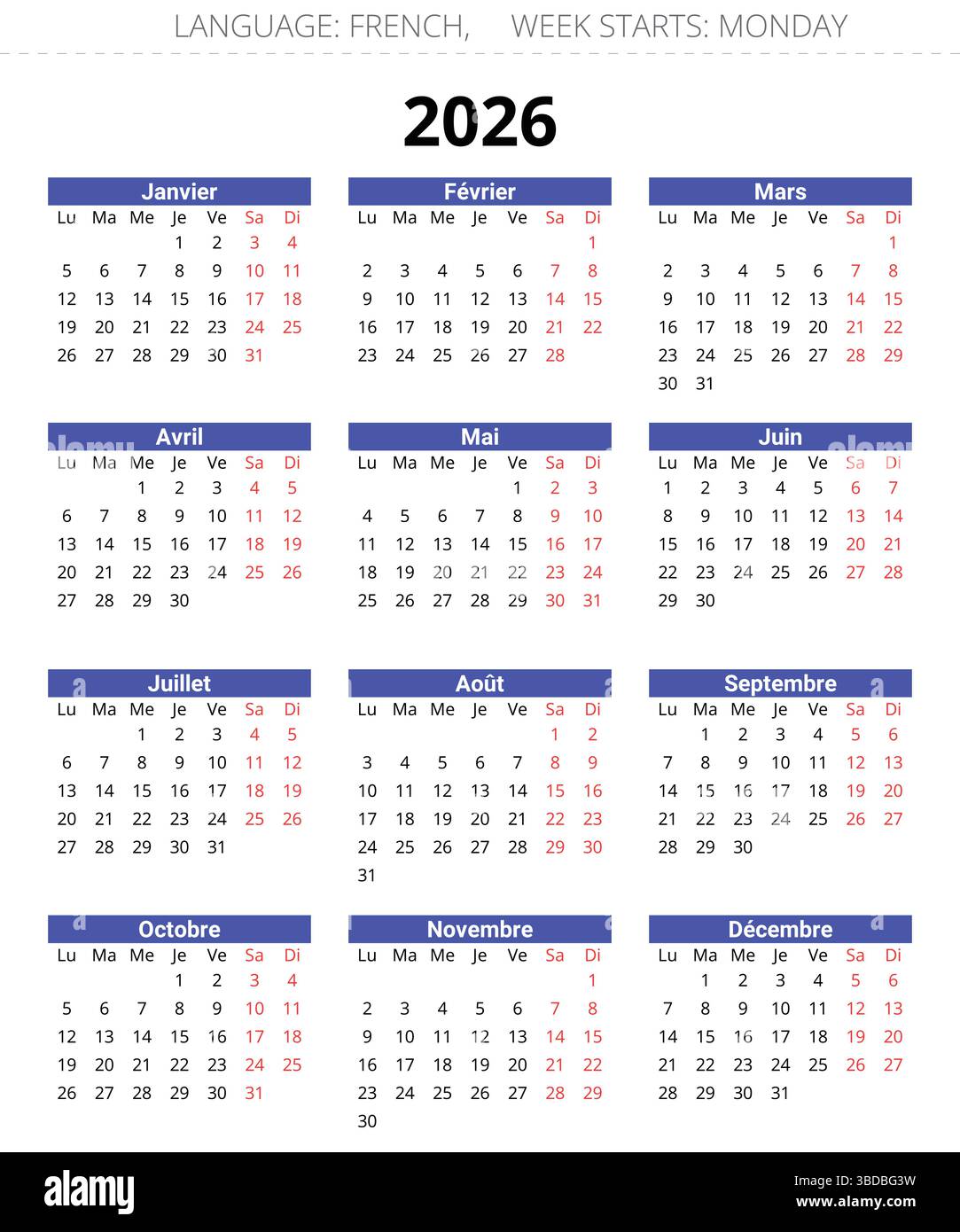
Calendars don’t exist in a vacuum. They are often integrated with other productivity tools and concepts. Task management apps, note-taking software, and project management platforms all complement calendar planning. Even physical items like printable calendars can serve as useful supplementary tools.
Exploring these related concepts can lead to a more comprehensive and effective planning system. The goal is to create an ecosystem that supports your productivity and organizational needs.
Leveraging Calendrier 2026 for Millennial Productivity
Source: etsy.com
For millennials, a Calendrier 2026 can be a powerful asset for achieving peak productivity. It’s about more than just tracking events; it’s about intentional planning and strategic time allocation. Let’s explore how to make your 2026 calendar work smarter for you.
Mastering Digital Calendar Features
Modern digital calendars are packed with features designed to enhance time management productivity. Understanding and utilizing these features can significantly boost your efficiency. This includes using event categories, setting custom reminders, and leveraging recurring events.
Color-coding is a simple yet powerful technique. Assign different colors to different types of events – work, personal, fitness, social – to get a quick visual overview of your week or month. This helps in balancing different areas of your life at a glance.
Setting smart reminders is crucial. Instead of just one reminder, consider setting multiple reminders for important events: one a day before, another an hour before. This ensures you have ample notice and can prepare accordingly.
For recurring tasks or events, like weekly team meetings or daily exercise, set them up as recurring events. This saves you the time and effort of manually entering them each week or month, reducing the chance of error.
Integrating Calendar Planning with Other Productivity Tools
Your calendar is often the central hub, but it performs best when integrated with other productivity tools. Think of your calendar as the conductor, and other apps as the orchestra members.
Task management apps like Todoist, Asana, or Trello can be synced with your calendar. This means deadlines and to-dos appear directly on your calendar, giving you a clear picture of your workload. You can then schedule blocks of time in your calendar to tackle these tasks.
Note-taking apps such as Evernote or Notion can be linked to specific calendar events. This is perfect for meeting notes, agendas, or prep materials. Having all relevant information in one place streamlines preparation and follow-up.
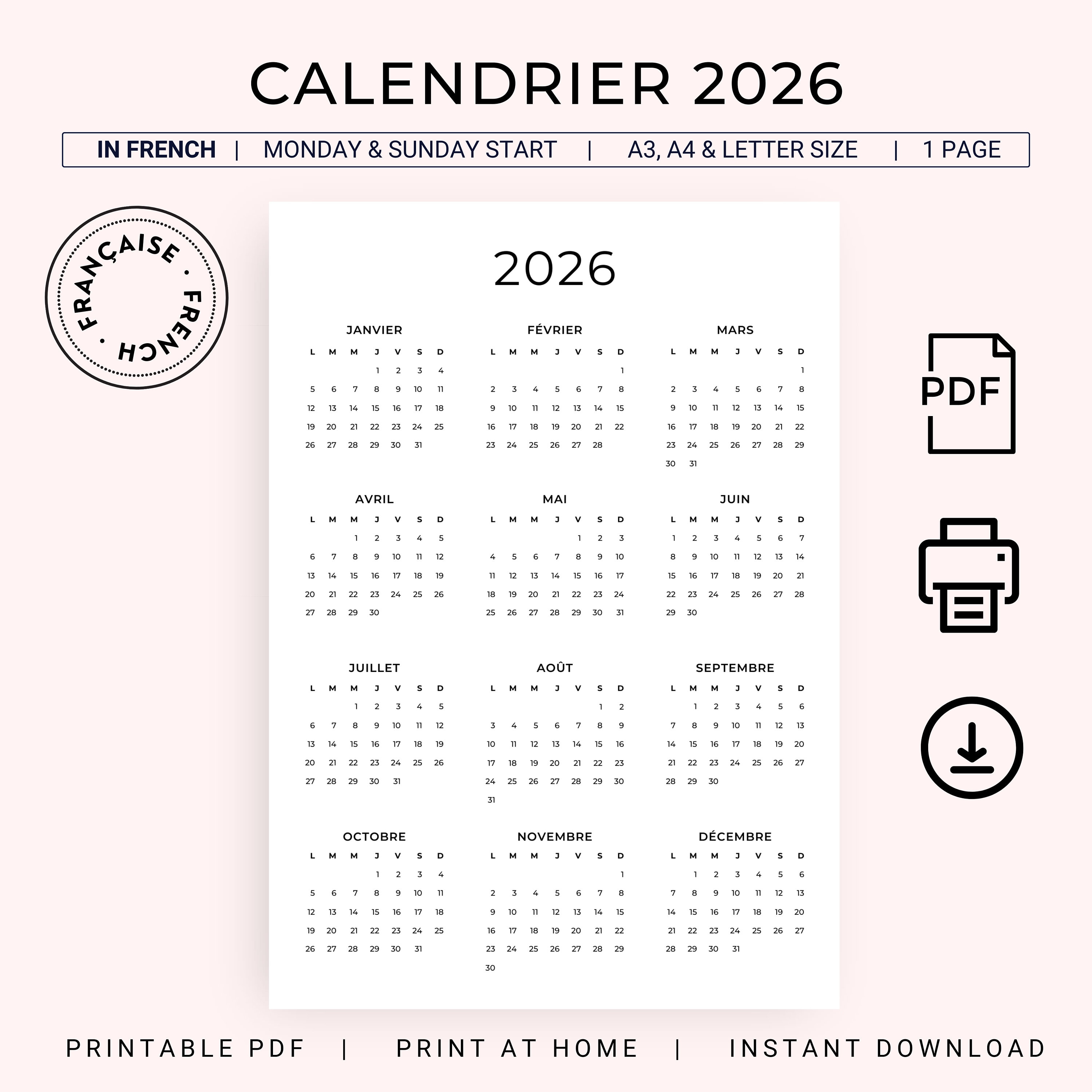
For those who prefer a more tangible approach, printable calendars can supplement digital planning. You might use a printable weekly planner to map out your high-level goals for the week, then transfer detailed appointments to your digital calendar for reminders and sync capabilities.
Time Blocking: A Millennial Productivity Hack
Time blocking is a highly effective technique for enhancing planning productivity. Instead of a to-do list, you allocate specific blocks of time in your calendar for specific tasks or activities. This method ensures that important work gets dedicated attention.
Experience with time blocking shows it dramatically reduces context switching and procrastination. By scheduling ‘deep work’ sessions, you protect that time from interruptions. This is invaluable for complex projects or tasks requiring significant focus.
Here’s a sample time-blocking structure for a typical workday:
| Time Block | Activity | Notes |
|---|---|---|
| 9:00 AM – 9:30 AM | Email & Communication | Respond to urgent messages, plan the day. |
| 9:30 AM – 11:00 AM | Deep Work – Project A | Focused work on critical tasks. Minimize distractions. |
| 11:00 AM – 11:15 AM | Break | Short walk, stretch, hydrate. |
| 11:15 AM – 12:30 PM | Meetings / Collaboration | Scheduled calls, team syncs. |
| 12:30 PM – 1:30 PM | Lunch & Personal Time | Step away from work. |
| 1:30 PM – 3:00 PM | Deep Work – Project B | Continue focused work. |
| 3:00 PM – 3:15 PM | Break | Quick refresh. |
| 3:15 PM – 4:30 PM | Admin & Planning | Wrap up tasks, plan for tomorrow. |
| 4:30 PM – 5:00 PM | Review & Wind Down | Review accomplishments, prepare for end of day. |
This structured approach ensures that all essential aspects of your day receive dedicated attention. It’s a proactive way to manage your energy and focus.
Calendar Planning for Federal Holidays and Personal Celebrations
Navigating Federal Holidays Planning and personal celebrations requires careful calendar management. For millennials, these events are often opportunities for rest, connection, and recharge. Accurately marking them on your Calendrier 2026 ensures you can plan accordingly.
Federal holidays offer guaranteed days off, which can be strategically used for longer breaks, travel, or personal projects. Knowing these dates in advance allows for better planning, especially if travel is involved, helping to avoid last-minute rushes and price hikes.
Similarly, personal celebrations like birthdays, anniversaries, and religious holidays require attention. Integrating these into your calendar ensures you don’t forget important dates and can adequately prepare gifts, cards, or arrangements. This shows thoughtfulness and strengthens relationships.
Consider using your calendar for Family Celebrations. By blocking out time for family gatherings or marking special occasions, you prioritize these important relationships. This proactive approach helps maintain a healthy work-life balance.
Expert Tips for Calendar Productivity Organization
Drawing on the expertise of productivity gurus and personal experience, here are some refined tips:
- Be Realistic: Don’t overschedule yourself. Build in buffer time between tasks and appointments.
- Review Regularly: Make it a habit to review your calendar daily and weekly. This keeps you aligned with your goals and commitments.
- Learn to Say No: Protect your time by declining commitments that don’t align with your priorities or that would overextend you.
- Use Templates: For recurring types of events or tasks, consider creating templates or using recurring event features to save time.
- Sync Across Devices: Ensure your calendar is accessible on all your devices to manage your schedule on the go.
These practices are foundational for effective productivity organization tools and habits. Consistency is key to reaping the full benefits.
Authoritative Voices in Productivity and Time Management
Many thought leaders have contributed to the understanding of productivity and time management. Figures like Stephen Covey, author of ‘The 7 Habits of Highly Effective People,’ emphasized principles of prioritization and effectiveness. His work highlights the importance of living by your values, which a well-structured calendar can help facilitate.
Modern productivity experts often focus on practical application in a digital age. They share insights on managing digital distractions, leveraging technology, and maintaining well-being amidst demanding schedules. Their shared wisdom builds a body of trustworthiness around these concepts.
By learning from these authorities, millennials can gain deeper insights into structuring their lives for maximum impact and fulfillment. Their advice, backed by years of research and application, provides a solid foundation for personal and professional growth.
The Aesthetic of Productivity: Digital Calendar Design
While function dictates a calendar’s primary purpose, its aesthetics can significantly impact user engagement and perception. For millennials, a visually appealing and intuitive interface can make the difference between a tool that’s used religiously and one that’s neglected.
Many digital calendar applications offer a range of customization options. These can include:
- Color Palettes: Selecting themes that are pleasing to the eye and aid in visual organization.
- Font Choices: Opting for clear, readable fonts that enhance the user experience.
- Layout Customization: Adjusting the display to show more or less detail, or choosing between daily, weekly, or monthly views.
For instance, apps like Fantastical are known for their clean design and intuitive natural language input, making the process of adding events feel more conversational and less like data entry. This focus on user experience contributes to the overall appeal and usability of the planning productivity tool.
Specific Metrics for Tracking Calendar Usage
To truly gauge the effectiveness of your calendar planning, consider tracking specific metrics. This moves beyond simply noting events to understanding your time allocation and adherence to planned activities. These specificity and metrics can offer powerful insights.
Metrics to consider tracking:
- Task Completion Rate: Percentage of tasks assigned in your calendar that were actually completed.
- Time Adherence: How closely you stick to your scheduled time blocks.
- Meeting Efficiency: Tracking the duration of meetings versus their scheduled time, and noting if agendas were followed.
- Proactive Planning vs. Reactive Scheduling: Analyzing the ratio of time blocked for intentional work versus time spent responding to ad-hoc requests.
Utilizing productivity tools that offer analytics or manually logging these metrics can reveal patterns and areas for improvement. For example, if you consistently run over on ‘Deep Work’ blocks, you might need to adjust the allocated time or minimize distractions more effectively.
Planning for Holidays: Federal and Family Celebrations
As we look towards 2026, effectively planning for both Federal Holidays and personal Family Celebrations is key to maintaining balance and well-being. These dates are opportunities to step away from daily demands and connect with loved ones or simply recharge.
Federal holidays offer a structured way to plan longer breaks. By noting these dates on your Calendrier 2026 early on, you can book travel, arrange time off for extended family, or dedicate time to personal projects. Understanding the complete list of federal holidays ensures you don’t miss these valuable opportunities.
Family Celebrations, such as birthdays, anniversaries, and cultural or religious festivals, require a personal touch. Integrating these into your calendar prompts you to send cards, buy gifts, or schedule gatherings. This proactive approach shows care and strengthens bonds, contributing to a richer personal life.
Frequently Asked Questions about Calendrier 2026 Planning
Q1: How can I make my calendar more effective for productivity?
A1: Implement time blocking for focused work, use color-coding to visualize your schedule, and integrate your calendar with task management apps. Regularly review your calendar to stay on track.
Q2: What are some popular digital calendar platforms for millennials?
A2: Google Calendar, Outlook Calendar, and Apple Calendar are widely used due to their integration and accessibility. Apps like Fantastical offer advanced features for power users.
Q3: How do I balance work and personal events on my calendar?
A3: Use color-coding to distinguish between work and personal events. Schedule personal appointments and social gatherings with the same importance as work meetings. Prioritize time for rest and self-care.
Q4: Can printable calendars still be useful in the digital age?
A4: Yes, printable calendars can serve as excellent supplements. They are great for visual planning, brainstorming, or for those who prefer a tangible overview of their week or month before transferring details to a digital platform.
Q5: What is the best way to manage recurring tasks in my calendar?
A5: Utilize the recurring event feature in your digital calendar. This automatically populates your schedule with these tasks, saving you time and ensuring consistency.
Conclusion: Own Your 2026 with Strategic Calendar Planning
The Calendrier 2026 is your canvas for the year ahead. By embracing smart planning strategies, integrating powerful productivity tools, and understanding the nuances of effective time management, millennials can transform their approach to productivity and organization. Whether you’re aiming to conquer professional goals, nurture personal relationships, or simply live a more balanced life, your calendar is the cornerstone.
Start implementing these strategies today to ensure that 2026 is your most organized, productive, and fulfilling year yet. Take control of your time, and you’ll take control of your success.