Picture yourself standing in a dense jungle, the air thick with humidity and the buzz of insects all around. Suddenly, your guide points to a worn stone carving, etched with symbols that appear both cryptic and mesmerizing. This is a slice of the Mayan world, where their calendar, a blend of astronomical genius and ritual significance, continues to fascinate (and sometimes intimidate) modern minds. So, what does the Mayan calendar say about 2027? Let’s unpack that with some clarity and no fluff.
Understanding the Complex Mayan Calendar
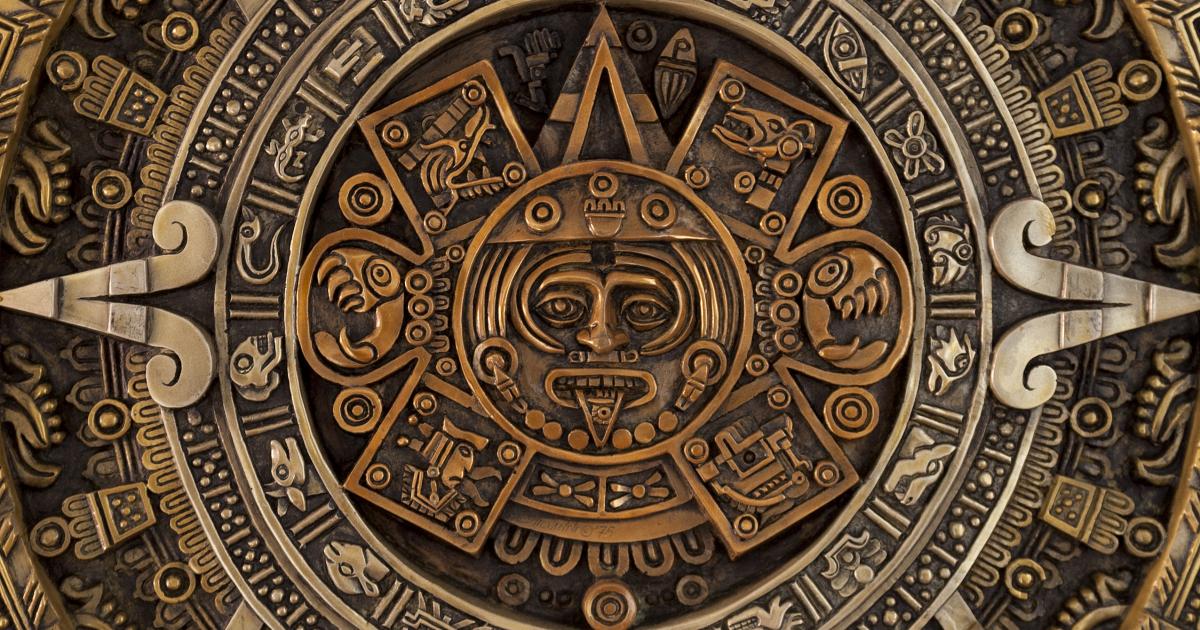
The first step is to shake off the 2012 apocalypse cloud that still hovers around the Mayan calendar’s reputation. Far from a doomsday prophecy machine, it is an intricately crafted system based on astronomical observation and cyclical time-keeping. The Mayan calendar is a combination of several interlocking cycles:

Source: www.mexicolore.co.uk
- The Tzolk’in, a 260-day ritual calendar important for ceremonies and divination.
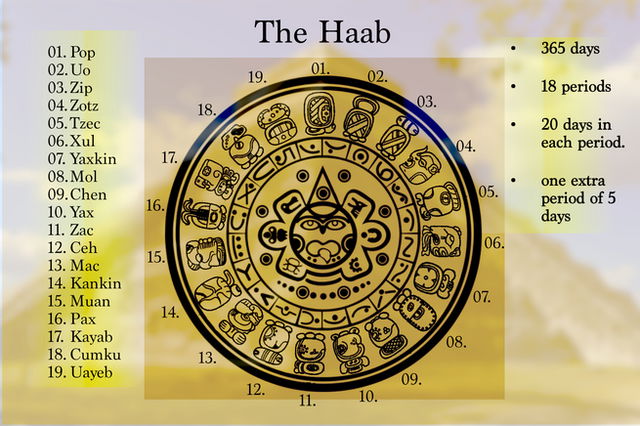
- The Haab’, a 365-day solar calendar reflecting agricultural cycles.
- The Long Count, a linear count of days starting from a fixed point (August 11, 3114 BCE in the Gregorian calendar), used to mark longer historical periods.
Source: www.calendarr.com
Dr Diane Davies, a respected scholar featured in her in-depth work on the calendar, explains how the Mayans did not view time as a straight line ending suddenly but as cycles within cycles, constantly renewing.
Why 2027? The Calendar’s Next Big Marker
Unlike 2012, which marked the end of a significant baktun (a 144,000-day period), 2027 is less dramatic but still meaningful due to calendar cycles intersecting:
- 2027 marks the completion of a minor cycle within the Long Count calendar, signalling renewal but not apocalypse.
- This year aligns with shifts in the Tzolk’in cycle, affecting ritual calendars and ceremonial timings, something the Maya used for planting, harvesting, and spiritual observances.
- According to The Four Pillars archive of Maya Calendar information, the 2027 cycle renewal is expected to be a time of reflection and transition rather than catastrophe.
So, in essence, 2027 is more of a cosmic nudge than a cosmic hammer. Imagine it like your phone giving you a reminder: “Hey, time to update your software!” Not “System crash imminent!”
Key Dates in 2027 as per the Mayan Calendar
Source: www.timeanddate.com
| Mayan Date | Gregorian Equivalent | Significance |
|---|---|---|
| 13.0.12.5.0 (Long Count) | March 21, 2027 | Cycle renewal impacting ritual calendars, major ceremonies expected. |
| 8 K’an 3 Xul (Tzolk’in and Haab’) | September 15, 2027 | Important for agricultural rituals marking late planting season. |
| 9 Ak’b’al 6 Yaxk’in (Tzolk’in and Haab’) | December 1, 2027 | Observed as a transitional day in spiritual calendars. |
Holiday, Festival, and Events Impact around 2027
While no direct global events track the calendar’s cycles, indigenous Maya communities in Mexico, Guatemala, Belize, and Honduras continue to celebrate traditional ceremonies that align with these cycles:
- United States: Cultural festivals in California and Texas honor Mayan heritage around key calendar dates in spring and fall.
- Mexico & Guatemala: The Festival of the Deer Dance and other ceremonial gatherings coincide with calendar cycles leading into 2027’s renewal events.
- International: Events hosted by institutions like the Smithsonian’s National Museum of the American Indian in Washington, D.C., engage the public with live demonstrations and lectures focused on Mayan astronomy and calendar systems.
Common Misconceptions and What Experts Say
Remember that much of what is popularly known about the Mayan calendar, especially regarding future predictions, comes from sensationalism. The Smithsonian Institution’s Living Maya Time project clarifies there is no ancestral declaration of an apocalypse or dramatic upheaval in 2027. Instead, it’s about cyclical renewal and cultural continuity (Living Maya Time | Smithsonian).
Also, any modern prediction ignoring multiple calendar cycles or archaeological context misses the forest for the trees. The truth is rooted deeply in historical knowledge and ongoing research conducted with Mayan descendants themselves.
FAQ Section
What is the Mayan calendar cycle that ends in 2027?
The Long Count calendar has smaller cycles within it, and 2027 marks the end of one such minor cycle, signaling renewal rather than an end-of-the-world event.
Did the Mayans predict anything specific for 2027?
Mainstream scholars agree that there is no credible evidence that the Mayans predicted any global crisis for 2027; it is a year marking cyclic transitions primarily for ritual and agricultural purposes.
How does the Mayan calendar differ from the Gregorian calendar?
The Mayan calendar operates on overlapping ritual and solar cycles, including a linear count of days (the Long Count), while the Gregorian calendar is a solar calendar designed primarily for civil purposes.
Are there celebrations based on the Mayan calendar in 2027?
Yes, indigenous Maya communities and cultural institutions observe ceremonies aligned with calendar cycles that will occur in 2027, celebrating continuity and tradition.
Where can I learn more about the Mayan calendar and 2027?
Authoritative information can be found in resources like Dr Diane Davies’ Mayan Calendar Explained and Wikipedia’s comprehensive page on the Maya calendar.
Disclaimer: All dates and information are based on the most recently available official sources and are subject to change. Always verify with the official institution website for the most current details.