Ever paused mid-sip of your morning coffee to wonder how the nation’s economic pulse is going to change next month? August 2027 for the US is peppered with events that could rattle markets, spark investor frenzy, or quietly steer policy decisions. If you’re a trader, financial advisor, or simply a curious mind who loves to stay plugged into economic buzz, then understanding this economic calendar isn’t just smart — it’s essential.
What Makes August 2027 a Crucible for Economic Activity?
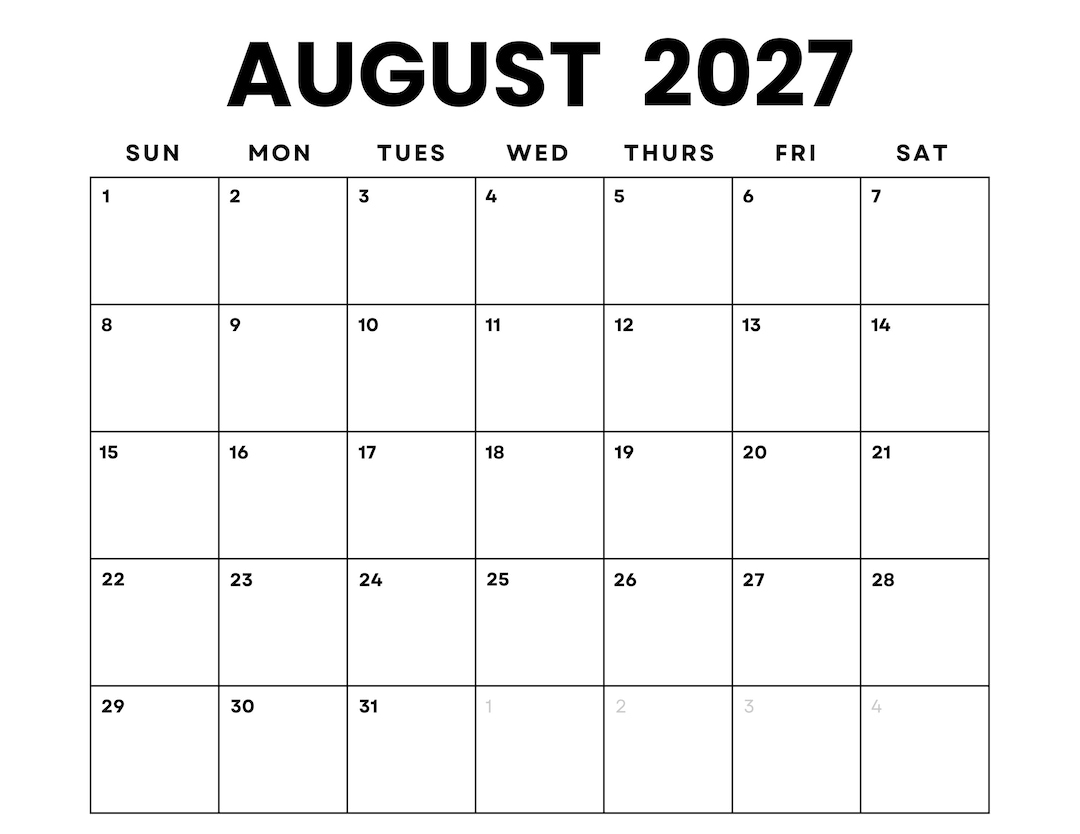
August isn’t just summer slowdown; it’s a battleground of data releases and policy whispers shaping Wall Street and Main Street alike. The US economic calendar for August 2027 stitches together key reports: inflation data, employment figures, consumer confidence, and more, painting a real-time picture of economic health.
Major US Economic Events in August 2027
| Date | Event | Importance | Expected Impact |
|---|---|---|---|
| August 5 | Non-Farm Payrolls (NFP) Report | High | Sharp market reactions expected; indicator of job market strength |
| August 10 | Consumer Price Index (CPI) Release | High | Key inflation measure influencing Fed policy |
| August 18 | Federal Reserve Beige Book Publication | Medium | Insights into economic conditions across US districts |
| August 26 | Gross Domestic Product (GDP) Q2 Preliminary Estimate | High | Reflects economic growth; crucial for investor confidence |
These dates aren’t just numbers on a page. Imagine Sarah, a portfolio manager in New York, who bases her investment moves on the NFP report each month. A surprise uptick in jobs could push her toward aggressive buys; a drop might make her tighten the reins. That’s the real-world drama behind these calendar entries.
How to Use the US Economic Calendar Strategically
- Track the U.S. Economic Calendar on MarketWatch for real-time updates and forecasts.
- For a deeper dive into Federal Reserve releases, including the Beige Book, check the New York Fed’s calendar, your trusted policymaker’s bulletin.
- Integrate GDP data insights, accessible on Bloomberg Markets Economic Calendar, into your quarterly performance reviews.
Ignoring the calendar is like walking in a forest blindfolded — you might get lucky, but odds aren’t in your favor. Use it to anticipate volatility and prepare for opportunities.
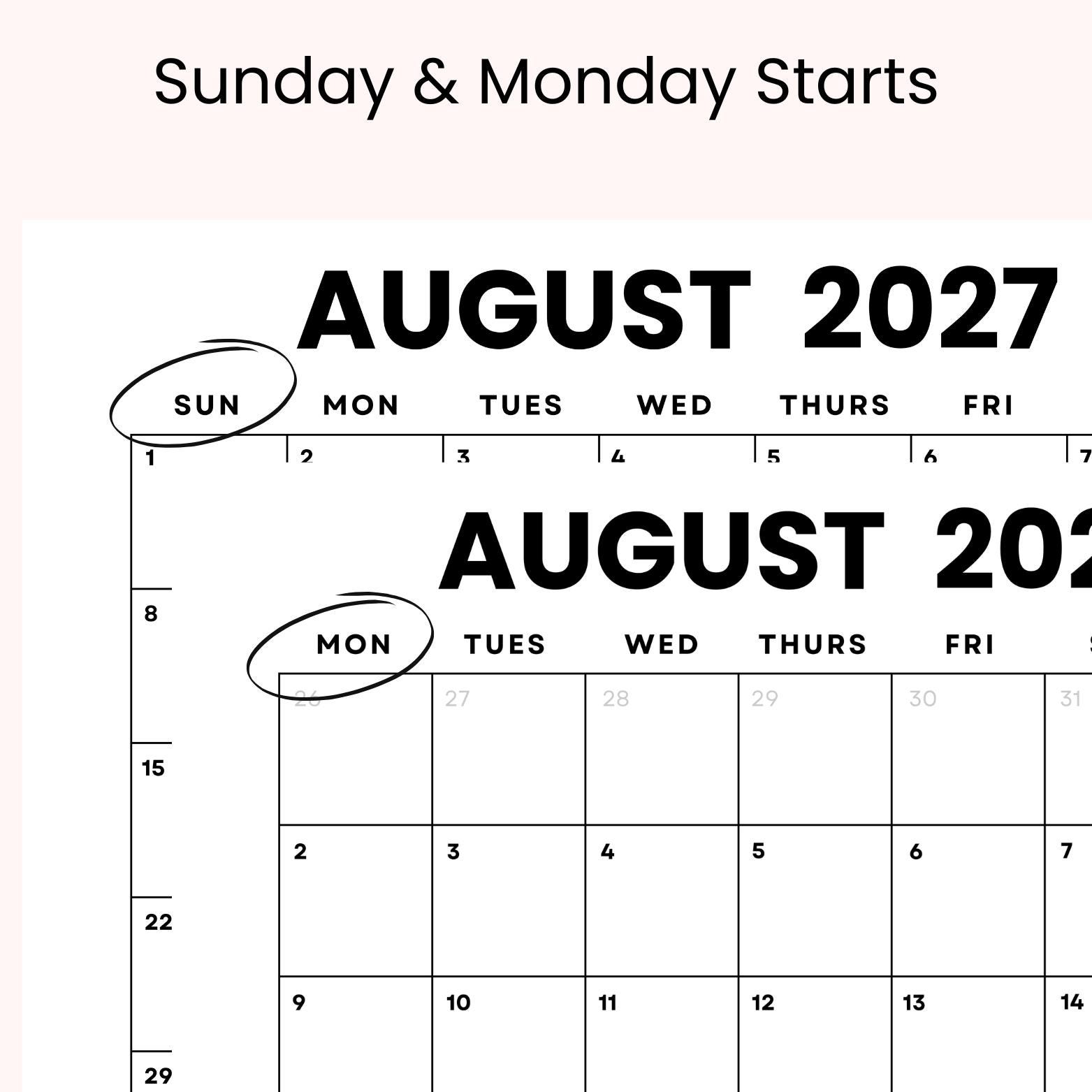
Source: www.etsy.com
Holiday, Festival, and Event Highlights Affecting August 2027 Markets
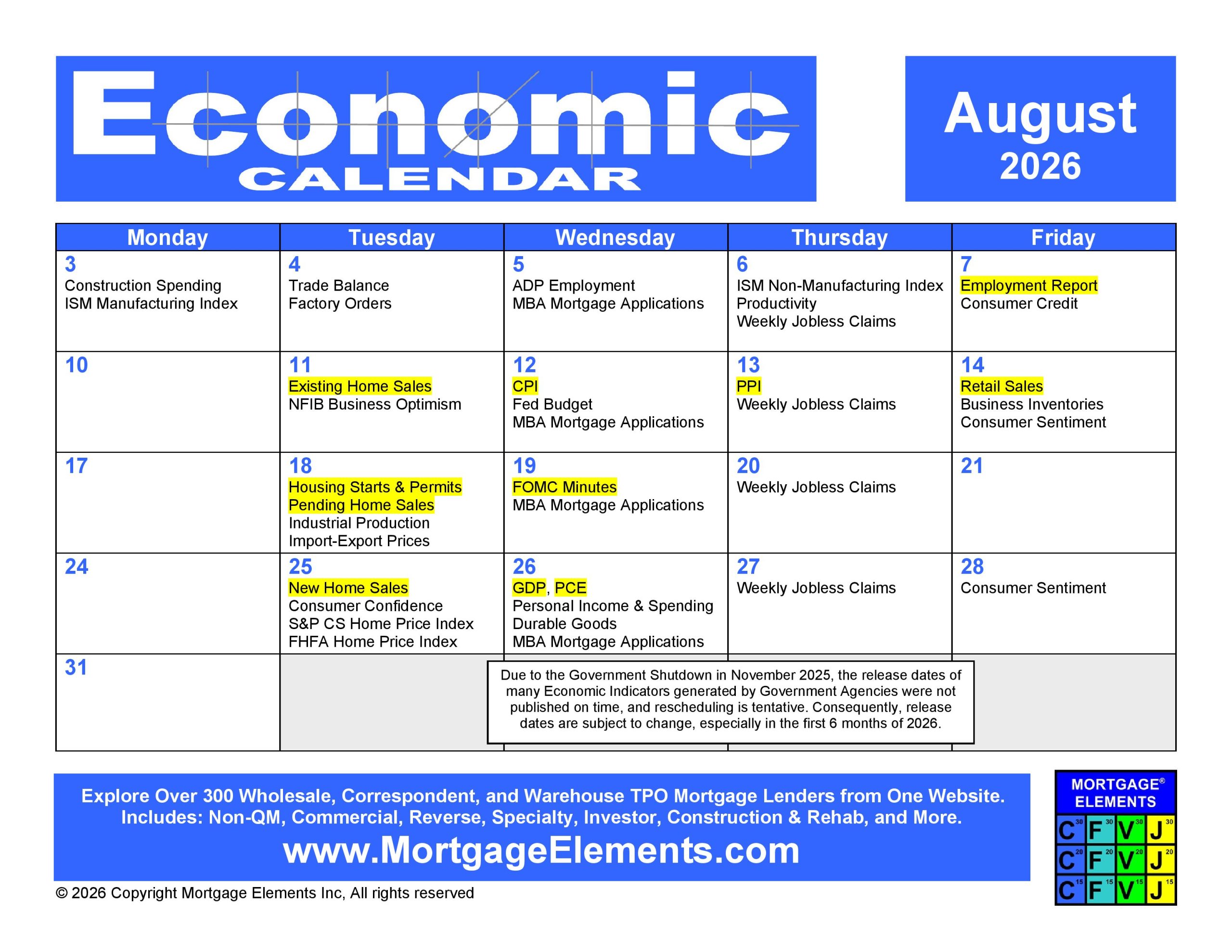
August also features events that indirectly impact market dynamics. For instance, the Labor Day weekend, although technically in early September, triggers shifts in trading volumes. Plus, international observances such as the Tokyo Games starting August 1, 2027 could cause fleeting swings in global markets, affecting US equities and currencies.
Source: mortgageelements.com
Events like these are the backdrop against which economic data plays out, requiring a savvy blend of calendar awareness and market intuition.
Source: www.etsy.com

Source: www.calendarpedia.com
FAQ
What is the US Economic Calendar?
The US Economic Calendar lists scheduled economic reports and events important for understanding the country’s economic performance, such as employment reports, inflation data, and Fed announcements.
How can I use the economic calendar for trading?
Traders watch the calendar to anticipate market-moving events. By knowing when reports like the NFP or CPI are released, they can prepare strategies to capitalize on expected volatility.
Why is August important in the economic calendar?
August features multiple high-impact reports, including unemployment data and inflation numbers, which provide critical updates on economic health during the second half of the year.
Where can I find accurate US Economic Calendar dates?
Reliable calendars can be found on authoritative sites like MarketWatch, the New York Fed, and Bloomberg Markets.
How do holidays impact the economic calendar?
Holidays often shift the timing of report releases and affect market liquidity, resulting in different trading behaviors and sometimes, volatility spikes before or after the breaks.
Disclaimer: All dates and information are based on the most recently available official sources and are subject to change. Always verify with the official institution website for the most current details.