Imagine you’re chatting with a buddy over beers about those wild predictions that did a number on the world in 2012. Remember the hype? The apocalypse alarm bells? Well, guess what? The 2027 end date of the Mayan Calendar just popped onto the radar, and it’s making some folks jittery again.
What Is the Mayan Calendar Anyway?
The Maya devised a complex calendar system, more mechanical than a Swiss watch. Their calendar, called the Long Count, keeps track of time in a sequence of days from a fixed starting point — August 11, 3114 BCE, in our modern calendar.
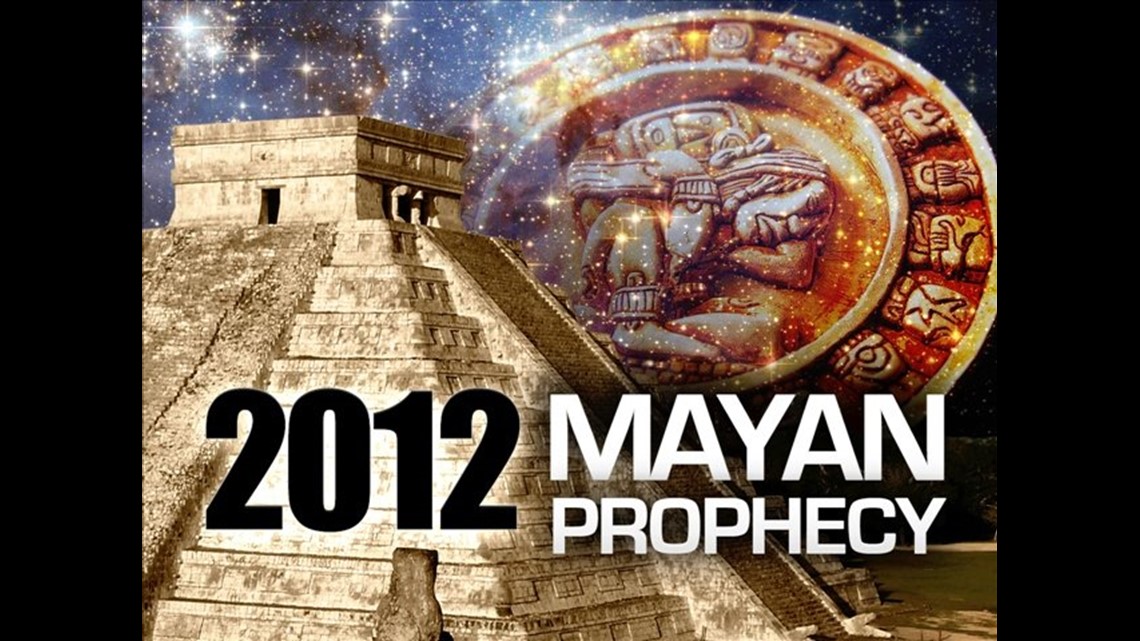
The famous buzz in 2012 came from the ending of a baktun cycle — approximately 394 years — which is one of those giant chunks in their calendar counting. When the 13th baktun rolled over, folks freaked out about the world ending. Spoiler alert: it didn’t.
The 2012 Phenomenon: Hype vs. Reality
- Many misunderstood the 2012 phenomenon as a doomsday prophecy, a myth rooted more in modern anxiety than Mayan texts.
- The Maya themselves saw this as a transition period, a rebirth rather than destruction — a crucial detail missed in the 2012 hullabaloo.
- Scholars like those referenced in the National Geographic explanation clarify how the calendar’s reset is cyclical, not cataclysmic.
So Why All the Fuss About 2027?
Here’s the kicker: The Mayan Long Count calendar doesn’t end with the 13th baktun. It’s potentially rolling into a new cycle, the 14th baktun, expected around May 2027. This has sparked a fresh wave of speculation.
Unlike 2012, experts emphasize that the end of a baktun signals new chapters, not doomsday scenarios. It’s like finishing an epic season of your favorite show — intense cliffhanger, but the story continues.

Source: www.mexicolore.co.uk
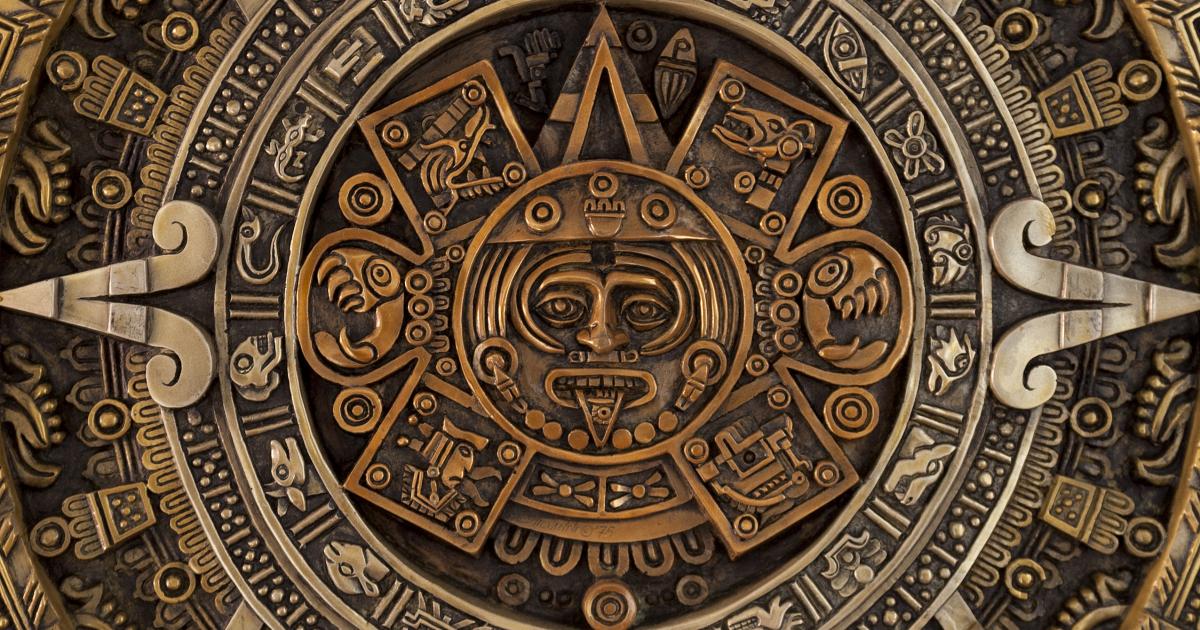
Source: www.timeanddate.com
Key Dates Table
| Date | Event |
|---|---|
| December 21, 2012 | End of 13th baktun, sparked apocalypse rumors |
| May 2027 (approx.) | Beginning of 14th baktun in the Mayan Long Count calendar |
What Do Archaeologists and Scholars Say?
Experts studying Mayan glyphs and inscriptions, such as those detailed in official university reports, have consistently found no referencing of apocalyptic conclusions tied to calendar endings.
- The calendar is more about tracking cycles, agricultural seasons, and dynastic events.
- Stelae (stone monuments) celebrate beginnings as much as endings.
- This ancient community valued continuity and renewal, concepts far removed from an end-of-world prophecy.

Source: www.mexicolore.co.uk
Holiday, Festival and Events Around the 2027 Date
While the world won’t be crashing down anytime soon, communities inspired by Mayan culture often celebrate dates tied to their calendar cycles.
- In the United States, the Smithsonian Institution often hosts exhibits on ancient Mesoamerican cultures where you can catch workshops and lectures around significant Mayan dates.
- Mayan descendant communities in Central America hold traditional ceremonies around baktun transitions, focusing on reflection and ceremony rather than doom.
- International festivals honoring indigenous heritage, like the United Nations’ International Day of the World’s Indigenous Peoples on August 9, highlight ongoing respect and recognition for cultures such as the Maya.
Source: www.5newsonline.com
FAQ
What happens at the end of the Mayan calendar in 2027?
The calendar marks the end of a baktun cycle, signaling the start of a new one, not an apocalypse.
Did the Maya predict the end of the world in 2012 or 2027?
No. The Maya viewed these as cyclical points, not permanent ends.
How do scholars know what the Mayan calendar means?
Through deciphered glyphs, archaeological sites, and research from institutions like Tulane University.
Are there celebrations for the Mayan calendar’s cycle endings?
Yes. Various traditional ceremonies and cultural events mark these important transitions.
Is there scientific evidence backing any apocalyptic claims about 2027?
No credible scientific evidence supports any apocalyptic interpretation for 2027.
Disclaimer: All dates and information are based on the most recently available official sources and are subject to change. Always verify with the official institution website for the most current details.