Ever heard the buzz about the Mayan calendar ending in 2027? Yeah, it’s back. Sorta. After the 2012 hype died down—remember all those panic-fueled headlines—you’d think we’d be done. Nope. Now, some folks are whispering about 2027 as another big moment tied to the Mayan calendar’s cycle. But what’s really going on here? Let’s unpack this whole thing without the doom-as-usual fanfare.
The Mayan Calendar: A Primer
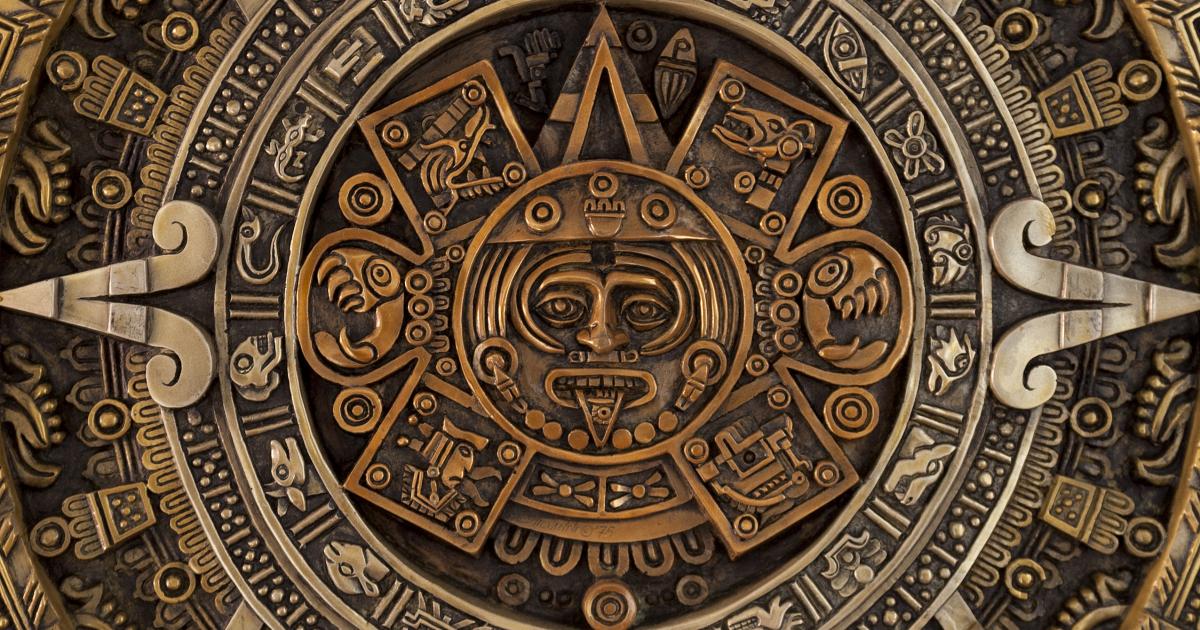
Before jumping to conclusions, you need the basics. The Maya weren’t just about skulls and temples; their calendar system is a masterpiece of timekeeping that’s baffled scholars and enthusiasts alike. It’s not one calendar but a system, primarily including the Tzolk’in (a 260-day calendar), the Haab’ (a 365-day solar calendar), and the Long Count, which tracks much longer periods.
The Long Count is the star here. It epically tracks days passed since a mythological starting point in 3114 BCE. This system records massive stretches of time, and it rolls over after about 5,125 years—that’s what sparked the 2012 hoopla.
So Why 2027?
Here’s a twist. The Long Count isn’t just a straightforward, single cycle. It’s layered with smaller cycles nested inside. While 2012 marked the end of the 13th b’ak’tun (a roughly 394-year period), some researchers highlight that 2027 is significant for a different cycle, specifically marking the end of the 14th b’ak’tun or other calendrical alignments in the Mayan system.

Source: www.mexicolore.co.uk
- Some scholars suggest 2027 signals the completion of a larger calendrical era, but this doesn’t imply catastrophe or the world ending. It might instead mean a time of transformation or rebalancing.
- Others point to astronomical events linked to Maya dates, which might produce unusual solar or planetary phenomena worthy of note (though not apocalypse). See how National Geographic explains the deep science behind Mayan astronomy.
History Doesn’t Repeat Panic
Remember when people flipped out about 2012? That was a classic case of misunderstanding ancient culture mixed with modern superstition. The Maya never said the world would end—they simply marked cycles. The 2012 phenomenon breakdown on Wikipedia gives a neat rundown on this hysteria’s origins.
Source: www.reddit.com
So, the 2027 chatter? It’s another cycle ending, sure. But it’s also a chance for cultural celebration, reflection, and learning.

Source: www.mexicolore.co.uk
2027 Events, Holidays, and Festivals Connected to the Mayan Calendar
| Date | Event | Location |
|---|---|---|
| August 13, 2027 | Mayan New Cycle Ceremony | Yucatán Peninsula, Mexico |
| September 22, 2027 | Autumnal Equinox Celebration | Chichen Itza, Mexico |
| October 31, 2027 | Día de los Muertos (Day of the Dead) | Throughout Mexico and US (Southern states) |
| December 21, 2027 | Winter Solstice Observance | Mesoamerican Cultural Sites & US Southwest |
The Big Cultural Takeaway
If you think the Mayan calendar ending in 2027 is a countdown to disaster, you’re buying into the same hype that plagued 2012. But if you pause and consider what the calendar really is—a sophisticated system rooted in complex astronomy and cultural context—you get a whole different story.
Source: www.timeanddate.com
The Maya used these cycles to mark time, celebrate, and understand their place in the universe. For modern-day Maya communities and scholars, 2027 is a moment to honor heritage and knowledge, not fear the unknown.
Frequently Asked Questions
What exactly happens when the Mayan calendar ends in 2027?
The calendar reaches the end of a specific Long Count cycle, which historically signals the start of a new era, not an apocalypse or world-ending event.
Is the Mayan calendar related to 2012 predictions?
Yes, the 2012 date marked the end of the 13th b’ak’tun cycle. However, the predictions of doom were misunderstandings of Maya culture rather than factual prophecies.
Why do people keep predicting doom based on the Mayan calendar?
Misinformation, sensationalism, and misunderstanding ancient systems have led to recurring panic every time a significant cycle ends.
Are there any astronomical events tied to the 2027 Mayan calendar date?
There might be astronomical alignments, but none indicating catastrophe. The Maya were astronomers who tracked planetary cycles precisely.
Where can I learn more about Mayan calendar and 2027 significance?
Reliable sources include scholarly articles and cultural institutions. The National Geographic feature on Mayan calendar science is a good start.
Disclaimer: All dates and information are based on the most recently available official sources and are subject to change. Always verify with the official institution website for the most current details.